

『Industrial Oxygen Flow Meter: Sizing High-Pressure Metal Tube Rotameters for Metal Fabrication Skids』Related information(v cone flow meter|rotary gas meter|gallon meter|gear meter|metal tube rotameter|glass tube rotameter|nutating disk meter|transit time ultrasonic flow meter|wedge flow meter|pd meters|hydraulic flow meter|ultrasonic water flow meter|water flow meter|air flow meter|magnetic water flow meter|oxygen flow meter|gas flow meter|argon flow meter|air velocity meter|gasoline flow meter|fuel flow meter|ultrasonic water meter|digital water meter|nitrogen flow meter|solid flow meter|Oxygen tank flow meter|digital water flow meter|diesel fuel flow meter|steam flow meter|02 flow meter|compressed air flow meter|oil flow meter|liquid flow meter)
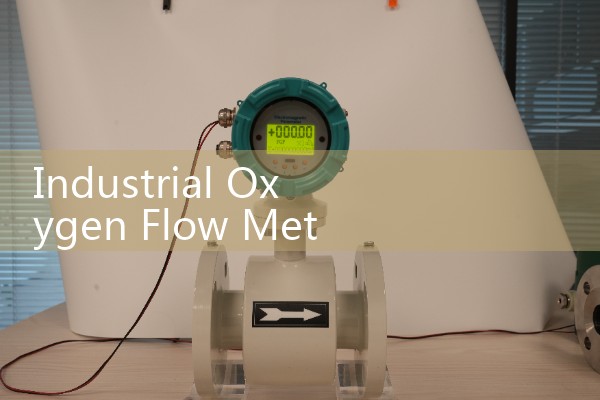
Industrial Oxygen Flow Meter: Sizing High-Pressure Metal Tube Rotameters for Metal Fabrication Skids
Quick Answer
For oxygen flow on metal fabrication skids, a high-pressure metal tube rotameter should be sized by actual gas pressure, temperature, oxygen cleaning, and minimum flow. Silver Automation Instruments recommends a 316L stainless steel body with PTFE seals, a 4-20 mA HART output option, and a pressure rating at least 1.5 times the maximum oxygen pressure. Send your flow in Nm3/h or kg/h at working conditions to get a useful quote.
Why Oxygen Service Changes Rotameter Selection
Oxygen is not like air or nitrogen. A small amount of oil or hydrocarbon inside the meter can cause a fire in high-pressure oxygen. Every wetted part must be cleaned for oxygen service. Silver Instruments supplies rotameters degreased, dried, and sealed in polyethylene bags with oxygen labels. This step matters for skid builders who ship to Vietnam, Malaysia, Mexico, and Saudi Arabia.
Metal fabrication skids often feed CNC plasma cutters, laser cutting assist gas, or oxy-fuel welding stations. Flow drops when cutting torches turn off. The meter must stay accurate at the low end. A high-pressure metal tube rotameter with a conical float handles low flow better than a glass tube rotameter. Skid builders also avoid glass because it breaks during sea transport and site vibration.
Sizing Parameters That Matter on Oxygen Skids
Start with line pressure. Oxygen headers on fabrication skids often run at 16 bar, 30 bar, or 40 bar. Rotameter scales are usually calibrated for air at 1.013 bar absolute and 20 °C. If your oxygen line runs at 30 bar, the gas density changes. A metal tube rotameter sized only by nameplate capacity will read wrong. Send your actual operating pressure and temperature. Silver Instruments corrects the scale for oxygen gas at working conditions.
Flow range: A typical plasma cutting skid may use 2 to 20 Nm3/h oxygen. A small oxy-fuel station may need 0.5 to 5 Nm3/h. Give the minimum and maximum flow you actually need rather than only the pipe size. DN15 and DN25 are common for small and medium skids. DN50 suits larger manifold systems.
Temperature usually sits between 10 °C and 50 °C on gas skids. A PT100 or 4-20 mA HART output is useful when the skid PLC logs flow. For hazardous area skids, choose ATEX Zone 1 or Zone 2 certification if the site classifies the area.
Wetted materials: for oxygen, 316L stainless steel is standard. Seals should be PTFE or Viton that is oxygen compatible. Avoid aluminum because it can ignite more easily in oxygen if particles are present. Pressure rating: choose a meter rated for at least 1.5 times the maximum operating pressure. For a 40 bar oxygen supply, use a rotameter rated to 60 bar or 100 bar. Silver Instruments metal tube rotameters are available with 100 bar and 250 bar ratings depending on size.
Recommended Silver Instruments Models
Silver Instruments RAMC series metal tube rotameter fits most oxygen fabrication skids. The RAMC-DN15 covers 0.5 to 5 Nm3/h air equivalent. The RAMC-DN25 covers 2 to 25 Nm3/h air equivalent. For oxygen, we recalibrate the scale to your actual pressure and gas density. The RAMC body is 316L stainless steel with a 316L float and PTFE seals. Process connections are 1/2 inch NPT female, 3/4 inch NPT female, or flanged DN15 and DN25.
The meter supports a local pointer indicator. You can add a 4-20 mA HART transmitter and two alarm switches if the skid PLC needs flow total or high and low alarms. For skids supplied to Southeast Asia and the Middle East, we often add English oxygen labels, plastic end caps, and export packing. Sta
Installation Rules for Oxygen Rotameters
Mount the rotameter vertically. Inlet should be at the bottom. Leave at least 150 mm straight run before and after the meter. Install a bypass valve or a filter upstream. Oxygen systems need clean piping. A 60 mesh or finer strainer stops debris from jamming the float. Do not use oil-based thread sealant on oxygen threads. Use oxygen-safe PTFE tape or paste. After installation, leak test with nitrogen. Then purge the line slowly with oxygen. Open the inlet valve slowly to avoid a pressure surge that slams the float into the top stop.
If the meter has a 4-20 mA output, use shielded twisted pair cable. For ATEX Zone 1 skids, check that the transmitter and cable glands carry the same Ex rating.
Real Sizing Example
A customer in Vietnam builds oxy-fuel cutting skids for a shipyard. Each skid feeds 10 cutting stations. Minimum flow is 1 Nm3/h when one torch is on. Maximum flow is 18 Nm3/h at full load. Oxygen header pressure is 25 bar and temperature is 30 °C. We supplied a Silver Instruments RAMC-DN25 metal tube rotameter with a scale of 0.8 to 22 Nm3/h oxygen at 25 bar and 30 °C. The meter body was 316L stainless steel, oxygen cleaned, with a 4-20 mA HART transmitter. The skid builder mounted the meter inside the gas panel and connected it to a Siemens PLC.
This example shows why pipe size alone is not enough. The flow range and gas condition decide the cone and float combination.
Common Sizing Mistakes We See on Customer Sites
The biggest mistake is using an air scale for oxygen at high pressure. A meter sized for 10 Nm3/h air at 1 bar will not mean the same at 30 bar oxygen. Gas density changes the float position. Another mistake is selecting a glass tube rotameter for skid use. Glass can break during transport or site vibration. Metal tube rotameters are stronger for fabrication skids that ship by sea to Australia, Brazil, or Saudi Arabia. Ignoring minimum flow is also common. A rotameter sized for full load may not move at low flow. Tell us the turndown ratio. A 10 to 1 turndown is typical for a metal tube rotameter with a conical float.
FAQ
What flow range should I specify for an oxygen rotameter? Specify minimum and maximum flow in Nm3/h or kg/h at actual oxygen pressure and temperature. Do not send only pipe size. The low flow value is often the deciding factor.
Can Silver Instruments calibrate the rotameter for oxygen instead of air? Yes. Supply your oxygen pressure, temperature, and flow range. We recalibrate the scale for oxygen gas density at working conditions.
What wetted materials are safe for high-pressure oxygen? 316L stainless steel body and float with PTFE seals is standard. Everything must be oxygen cleaned and free of oil.
Do I need ATEX certification for a metal tube rotameter on a skid? If the skid is installed in a hazardous area, specify ATEX Zone 1 or Zone 2. The mechanical indicator is passive. The 4-20 mA transmitter and alarm switches need Ex approval.
What is the typical delivery time for an oxygen rotameter? Standard RAMC metal tube rotameters deliver in 7 to 10 days after flow data confirmation. Oxygen cleaning and special scale calibration may add 2 to 3 days.
Contact Silver Instruments
For a direct quote, send us your pressure (bar), temperature (°C), pipe size (DN), and flow range. Tel: +86-25-68650347. Whatsapp: +86-25-52155837. WeChat: +86 15365082610. You can also check the Silver Instruments website at flow-meter.com.au.
 Hot Blog
 Related AD