

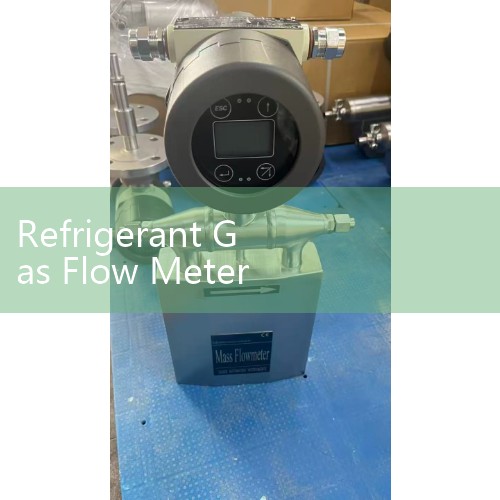
『Refrigerant Gas Flow Meter: Vapor Density Techniques; utilize accurate pressure and temperature compensation.』Related information(v cone flow meter|rotary gas meter|gallon meter|gear meter|metal tube rotameter|glass tube rotameter|nutating disk meter|transit time ultrasonic flow meter|wedge flow meter|pd meters|hydraulic flow meter|ultrasonic water flow meter|water flow meter|air flow meter|magnetic water flow meter|oxygen flow meter|gas flow meter|argon flow meter|air velocity meter|gasoline flow meter|fuel flow meter|ultrasonic water meter|digital water meter|nitrogen flow meter|solid flow meter|Oxygen tank flow meter|digital water flow meter|diesel fuel flow meter|steam flow meter|02 flow meter|compressed air flow meter|oil flow meter|liquid flow meter)
Refrigerant Gas Flow Meter: Vapor Density Techniques with Accurate Pressure and Temperature Compensation
Quick Answer: For refrigerant gases such as R134a, R410A, and ammonia, volumetric meters need real‑time vapor density compensation. Silver Instruments supplies vortex flow meters with pressure transmitters and PT100 RTDs that calculate mass flow directly in the flow computer. This package delivers ±1.5% accuracy without the price of a Coriolis meter. Send your gas type, pipe diameter (DN), operating pressure (bar), and temperature range for an immediate quotation.
Why Refrigerant Gas Flow Demands Density Compensation
Refrigerant vapor density changes sharply with pressure and temperature. A DN50 vapor line operating at 3 bar and 35 °C has a density of about 21 kg/m³. If the pressure drops to 2.5 bar at the same temperature, density falls below 18 kg/m³. A volumetric meter without correction will show the same m³/h but the real mass flow (kg/h) differs by more than 15%. That error leads to incorrect energy balances, wrong refrigerant inventory, and false leak alarms. Most engineers skip this part in initial scope but learn it after a cost overrun. We have visited cold storage plants in Vietnam and Indonesia where operators trusted uncorrected volumetric readings for years. One ammonia system showed 720 kg/h on a turbine meter but only moved 685 kg/h after applying live density calculation. The difference was 35 kg/h of ammonia unaccounted every hour.
The Vapor Density Technique in Practice
You measure volumetric flow (Qv) with a vortex flow meter, absolute pressure (P) with a transmitter, and gas temperature (T) with a PT100. A flow computer or PLC uses an equation of state to derive the vapor density (ρ). Mass flow equals Qv × ρ. Silver Instruments uses NIST REFPROP-based formulations in our SIL-2030 flow totalizer. The totalizer polls a 4‑20 mA HART pressure signal and a direct RTD input every 100 ms. Fast polling matters because refrigerant compressors load and unload rapidly. A paint manufacturer in Southeast Asia running R410A chillers saw density swings between 24 and 38 kg/m³ within two seconds during compressor startup. Their old uncompensated system missed those peaks and averaged the error.
The calculated mass flow appears on a digital display and transmits via Modbus RTU or 4‑20 mA output. The totalizer can alarm on low suction pressure or high discharge temperature. Many refrigeration OEMs prefer the STV-100 vortex meter from Silver Instruments because its sensor works from -40 °C to 200 °C without lubrication. The meter body comes in DN15 to DN200 sizes with 316L stainless steel or aluminum construction. For ammonia (R717), all wetted parts use stainless steel and FKM seals. The companion SIL-PT pressure transmitter offers 0.25% FS accuracy and ATEX Zone 1 approval when handling flammable refrigerants like R290 or R600a.
Real Results from a Cold Storage in the Philippines
Last year a customer in the Philippines contacted us about a refrigerant flow inconsistency in their large cold storage facility. They used ammonia (R717) on a DN80 suction line at -12 °C and 2.8 bar. Their existing turbine meter showed 980 kg/h and the plant energy model predicted 940 kg/h. They assumed a leak. We suggested a trial: install a compensated vortex package from Silver Instruments. The STV-100 vortex meter with a SIL-PT pressure transmitter and PT100 thermowell. After installation and a three-day data log, the true mass flow was 936 kg/h. The turbine over-read by 4.7% because it used a fixed density value from a design document written ten years earlier. The plant eliminated an unnecessary leak hunt, saved refrigerant, and reduced compressor runtime by 120 hours per year. The project payback was under four months. When someone says a cheap uncorrected meter is good enough, show them this example.
How to Specify the Right Package
Start with your process data. You will need the refrigerant type, normal operating pressure

The flow computer requires a 24 V DC supply and offers Modbus, pulse, and analog outputs. Our pre‑configured kits ship with calibrated sensors and a certificate of conformity. A technician in Manila or Surabaya can install the meter in half a day. Insert the vortex meter into the pipe, mount the pressure transmitter between 10D downstream and 5D upstream, insert the thermowell, and connect all wires. The totalizer auto‑detects the 4‑20 mA ranges and RTD type. No laptop programming needed. If you need remote support, our engineers connect via AnyDesk and walk through startup. We have done this for sites in Nigeria, Egypt, Chile, and Saudi Arabia.
Request a Quote with Your Process Data
Compensated refrigerant gas measurement starts with accurate inputs. Please send your gas (R134a, R410A, ammonia, etc.), pressure (bar), temperature (°C), pipe size (DN), and flow range (kg/h) to [email protected]. You can also call +86‑25‑68650347 or message us on WhatsApp at +86‑25‑52155837. For WeChat users, add +86 13512131526. Our application engineers will propose a specific meter model, transmitter ranges, and totalizer configuration. Most quotes go out within 24 hours. We ship globally from Nanjing, China with DHL or sea freight. Ask for a test report with your order and we will include a factory calibration certificate at no extra cost.
Frequently Asked Questions
Q: Which refrigerants can use vapor density compensation?
A: R134a, R410A, R404A, R507, R717, R290, R600a, and R744 are typical. Our flow computer stores density equations for over 40 fluids. If your refrigerant is not in the list, we load a custom table from NIST data.
Q: Do I need ATEX certification for flammable refrigerants?
A: Yes, propane or isobutane require ATEX Zone 1 or Zone 2 certified instruments. Silver Instruments supplies ATEX/IECEx certified pressure transmitters and vortex meters with intrinsically safe sensors (Ex ia). The flow totalizer mounts in a safe area or an Ex d enclosure. Specify your zone classification at the RFQ stage and we will configure accordingly.
Q: What accuracy can I expect on mass flow measurement?
A: System accuracy is typically ±1.5% of reading under stable conditions, combining the vortex meter (±0.75% of rate), pressure transmitter (0.25% FS), and PT100 (class A). Real‑world results depend on straight pipe run and gas composition. We have field data from a Malaysian customer showing ±1.3% mass flow error against a calibrated Coriolis master meter.
Q: How do you handle low‑pressure refrigerant gas, for example 0.5 bar gauge?
A: Very low pressures reduce gas density below 2 kg/m³, where vortex meters lose signal. In such cases we recommend a thermal mass flow meter. Our TF-100 series thermal meter works down to 0.3 bar and provides 4‑20 mA output for mass flow. Send your minimum operating pressure and we will check viability.
Q: Can I retrofit an existing vortex meter with a pressure and temperature compensation kit?
A: Often yes. If your vortex meter has a frequency or 4‑20 mA output, Silver Instruments supplies the matching pressure transmitter, PT100, and flow totalizer as a retrofit kit. Provide the meter K‑factor and pipe internal diameter. We configure the totalizer before shipment. Last quarter we retrofitted eight units for a cold chain provider in Kenya and improved their global warming potential (GWP) reporting significantly.
 Hot Product
 Related AD