

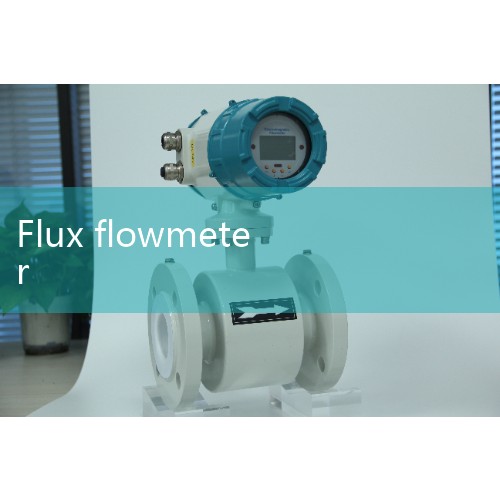
『Flux flowmeter』Related information(v cone flow meter|rotary gas meter|gallon meter|gear meter|metal tube rotameter|glass tube rotameter|nutating disk meter|transit time ultrasonic flow meter|wedge flow meter|pd meters|hydraulic flow meter|ultrasonic water flow meter|water flow meter|air flow meter|magnetic water flow meter|oxygen flow meter|gas flow meter|argon flow meter|air velocity meter|gasoline flow meter|fuel flow meter|ultrasonic water meter|digital water meter|nitrogen flow meter|solid flow meter|Oxygen tank flow meter|digital water flow meter|diesel fuel flow meter|steam flow meter|02 flow meter|compressed air flow meter|oil flow meter|liquid flow meter)
1. Detailed explanation of nitrogen preparation steps used in reflow soldering production
The mainstream nitrogen preparation method for reflow soldering production is pressure swing adsorption (PSA), which is suitable for small and medium-sized welding stations. The core steps include air purification pretreatment, pressure swing adsorption separation, and nitrogen post-treatment. The purity of the finished nitrogen can cover 99.5%~99.999% of the welding requirements
1. Air purification pretreatment stage 1 Air source collection: Extract clean outdoor air to avoid inhaling flux volatiles and solder dust in the workshop, and prevent contamination of subsequent adsorption media. 2. Compression cooling: Use a screw type exhaust air compressor to compress atmospheric pressure air to 0.7~0.85MPa, and use a matching heat exchanger to cool the compressed air to below 40 ℃ to avoid high temperature damage to adsorbents and filter elements. 3. Multi stage purification: sequentially remove oil mist and liquid water through precision filters, adsorb organic impurities through activated carbon filters, and completely remove water and oil stains by reducing the dew point of the air to below -40 ℃ through a freeze dryer.
II. Core links of pressure swing adsorption separation (1) Double tower cycle operation logic PSA nitrogen production equipment is equipped with two parallel adsorption towers loaded with carbon molecular sieves (CMS), alternately in adsorption nitrogen production and desorption regeneration states
1. Adsorption nitrogen production stage: purified compressed air enters the adsorption tower to be operated, and the carbon molecular sieves preferentially adsorb oxygen, carbon dioxide, and t

2. Desorption regeneration stage: when the molecular sieves in the adsorption tower are saturated, the air inlet valve is closed to reduce the pressure inside the tower to 0.01~0.05MPa, and at the same time, a small amount of finished nitrogen is introduced for blowing to remove the adsorbed nitrogen.
Impurities are desorbed and discharged outdoors to complete regeneration. (2) Parameter control: The pressure during the adsorption stage is maintained at 0.6~0.75MPa, and the switching cycle of a single tower is 30~120 seconds, which can be adjusted according to the actual gas flow rate.III. Nitrogen post-treatment and gas supply link 1 Purity adjustment: If high-purity nitrogen gas (such as 99.999% grade) is required for reflow soldering, a membrane separation component can be installed after PSA nitrogen production to further remove trace amounts of argon and oxygen, and improve nitrogen purity. 2. Stable storage: The nitrogen buffer tank can stabilize the gas supply pressure, avoiding the impact of gas pressure fluctuations in the reflow soldering furnace on the stability of the welding atmosphere. Generally, the buffer tank volume is configured based on 10-30 minutes of gas consumption. 3. Gas supply monitoring: Equipped with pressure transmitters and flow meters, the gas supply pressure is maintained at 0.05-0.1MPa, matching the nitrogen blowing and atmosphere protection requirements of the reflow soldering furnace. Ensure good ventilation in the work area during equipment operation to avoid the risk of suffocation caused by nitrogen accumulation; Pressure vessels such as air compressors and a
 Hot Product
 Related AD