

『Cheap Ultrasonic Flow Meter: Budget Intrusive Pipe Velocity Kits』Related information(v cone flow meter|rotary gas meter|gallon meter|gear meter|metal tube rotameter|glass tube rotameter|nutating disk meter|transit time ultrasonic flow meter|wedge flow meter|pd meters|hydraulic flow meter|ultrasonic water flow meter|water flow meter|air flow meter|magnetic water flow meter|oxygen flow meter|gas flow meter|argon flow meter|air velocity meter|gasoline flow meter|fuel flow meter|ultrasonic water meter|digital water meter|nitrogen flow meter|solid flow meter|Oxygen tank flow meter|digital water flow meter|diesel fuel flow meter|steam flow meter|02 flow meter|compressed air flow meter|oil flow meter|liquid flow meter)
Cheap Ultrasonic Flow Meter: Budget Intrusive Pipe Velocity Kits
Quick Answer: Cheap ultrasonic flow meter kits from Silver Automation Instruments use intrusive insertion sensors for DN25 to DN400 pipes. They output 4-20 mA, pulse, or RS485 Modbus RTU and cost less than clamp on meters. Send your pipe size in DN, fluid type, pressure in bar, temperature in °C, and flow range for a quotation.
Silver Automation Instruments, also known as Silver Instruments in many markets, is a flow meter manufacturer and supplier. Our website flow-meter.com.au lists standard configurations for water, wastewater, chemical, and food plants.
Here is the thing. A cheap ultrasonic flow meter does not have to mean poor quality. It means you buy only the features the application needs. In many water and wastewater lines, a budget intrusive pipe velocity kit is enough.
What Is a Budget Intrusive Pipe Velocity Kit
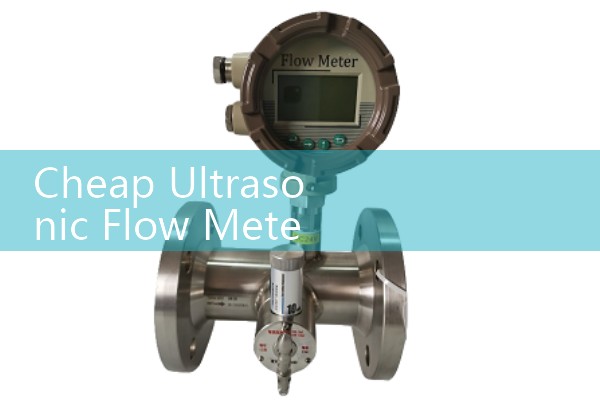
An intrusive ultrasonic flow meter has a sensor that contacts the liquid. The sensor inserts through a tee, a weld boss, or a ball valve assembly. That is the opposite of a clamp on meter, which does not touch the fluid. Clamp on ultrasonic meters are convenient but they cost more and often fail on small pipes with thin walls or poor outside surface conditions.
A budget insertion kit normally includes the velocity sensor, a signal converter, a ball valve for hot tap work, and a cable of 10 meters. The sensor body is 316L stainless steel. The tip is PEEK or PTFE. These materials work for clean water, chilled water, cooling water, and low viscosity chemicals.
Pipe Size, Pressure, and Temperature Limits
Order the kit by pipe diameter. Common insertion probe models fit DN25 to DN400. Small inline spool piece versions cover DN15 and DN20 for low flow loops. Standard pressure rating is PN16. Process temperature range is 0 to 90 °C. Flow velocity range is 0.01 to 12 m/s. Accuracy on a properly installed sensor is 1.0 percent of reading above 0.3 m/s.
Give us a concrete example. A DN100 cooling water loop at 2 bar and 25 °C is a standard application. A DN200 wastewater line with sludge, grease, or gas bubbles is not suitable for a standard insertion kit. We will tell you if the application does not match before you pay.
Price Range and What Changes It
Budget intrusive ultrasonic flow meter kits start near 480 USD for a basic insertion probe with pulse output. Add a local display and 4-20 mA output and the price moves to about 650 USD. RS485 Modbus RTU versions sell around 720 USD. HART output and ATEX Zone 1 certification push the cost above 1,100 USD. These numbers are for clean water. Dirty water and high pressure options cost more.
Cable length, insertion depth, and tee material also affect the price. A hot tap insertion kit rated for continuous operation costs more than a simple welded tee installation. We quote in USD, EUR, AUD, and other currencies. Ask for a fixed price including freight to your nearest port.
Installation Rules That Save You Trouble
Straight pipe is the first rule. Use 10 to 15 pipe diameters upstream and 5 diameters downstream for insertion probes. Most engineers skip this part. They focus on the transmitter and ignore pipe condition. Avoid the outlet of a partially closed valve, pump suction, or a high point where air collects. Air bubbles cause larger error than pipe misalignment. We have seen this on customer sites many times.
Ball valve insertion kits allow hot tap installatio
Outputs and Wiring
Most budget kits include pulse output for total flow and 4-20 mA for flow rate. Some models add RS485 Modbus RTU for SCADA or PLC integration. Wiring is simple. Two wires carry power, and two wires carry pulse or analog signal. Many water sites in Australia and New Zealand use pulse output for remote totalizing. Plants that export data to a supervisor prefer Modbus.
If the control room needs HART, ask us. Not every budget transmitter includes HART. We keep HART versions in stock for DN50 to DN250. Always check the terminal drawing before wiring. A wrong loop resistor can destroy the analog signal.
Where These Meters Work Well
A cooling tower contractor in Vietnam ordered six DN150 insertion kits for condenser water balance. A desalination plant in Oman used DN200 insertion meters on brine return lines. A food factory in Chile installed DN50 and DN80 kits on CIP water recovery lines. A pharmaceutical site in Brazil selected inline spool piece meters on DN15 purified water loops because the line was too small for an insertion probe.
These jobs share one requirement. The user needed a reliable velocity reading, not a laboratory grade mass balance. For that role, a budget intrusive ultrasonic meter works.
When Not to Use This Meter
Do not use this kit on heavy slurries, high solids, or liquids that continuously release gas. Do not use it on hydrocarbons with high vapor pressure unless process pressure stays high enough to keep gas in solution. For these applications, choose an electromagnetic flow meter or a positive displacement meter. Ask us which model fits.
FAQ: Five Questions Engineers Ask
Question 1: What is the minimum straight pipe length for a budget insertion ultrasonic flow meter?
Answer: Use 10 to 15 pipe diameters upstream and 5 diameters downstream. More straight run helps when the upstream disturbance is close to the sensor.
Question 2: Can I install the insertion sensor on a live pipe?
Answer: Yes, if the kit includes a ball valve and insertion tool. On DN100 and larger pipes this is common. On small pipes a shutdown is often easier.
Question 3: What outputs does the meter provide?
Answer: Standard options are 4-20 mA analog, pulse for total flow, and RS485 Modbus RTU. HART is optional and adds cost.
Question 4: Which liquids work well with this meter?
Answer: Clean water, cooling water, chilled water, demineralized water, and low viscosity chemicals below 50 cP. Avoid slurries and liquids with free gas.
Question 5: What information do you need for a quotation?
Answer: Send us your pipe size in DN, liquid type, operating pressure in bar, temperature in °C, and flow range in m3/h. We reply with a model, price, and lead time within one business day.
Contact Silver Automation Instruments. Tel: +86-135-1213-1526. WhatsApp: 86-135-12131526. WeChat: +86 13512131526. Our site is flow-meter.com.au. Send your pressure in bar, temperature in °C, pipe size in DN, and flow range. We will recommend a meter that fits the application and your budget.
 Hot News
 Related AD