Current position > Product detail
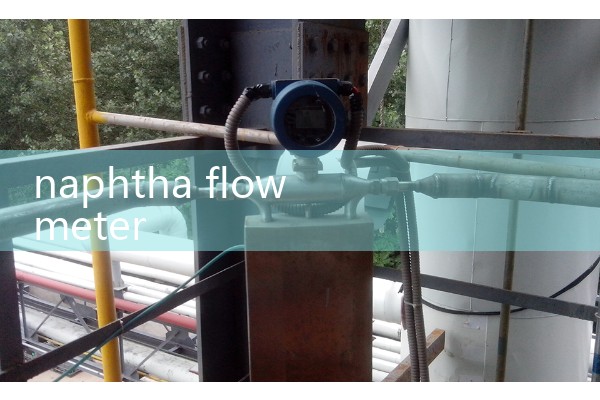
naphtha flow meter
『naphtha flow meter』Related information(v cone flow meter|rotary gas meter|gallon meter|gear meter|metal tube rotameter|glass tube rotameter|nutating disk meter|transit time ultrasonic flow meter|wedge flow meter|pd meters|hydraulic flow meter|ultrasonic water flow meter|water flow meter|air flow meter|magnetic water flow meter|oxygen flow meter|gas flow meter|argon flow meter|air velocity meter|gasoline flow meter|fuel flow meter|ultrasonic water meter|digital water meter|nitrogen flow meter|solid flow meter|Oxygen tank flow meter|digital water flow meter|diesel fuel flow meter|steam flow meter|02 flow meter|compressed air flow meter|oil flow meter|liquid flow meter)
 **Naphtha Flow Meter: Essential Instrument for Accurate Measurement in Petrochemical Processes**
In the petrochemical industry, naphtha is a critical intermediate product derived from crude oil refining. It serves as a feedstock for producing gasoline, solvents, and numerous chemical derivatives. Given its volatile nature, low viscosity, and varying hydrocarbon composition, accurate measurement of naphtha flow is essential for process control, billing, custody transfer, and safety management. This is where the naphtha flow meter plays an indispensable role.
A naphtha flow meter is a specialized device designed to measure the volumetric or mass flow rate of naphtha in pipelines, storage tanks, and processing units. Because naphtha can exist in both liquid and vapor phases depending on temperature and pressure, selecting the right flow meter technology is crucial. The choice typically depends on factors such as flow range, fluid properties, accuracy requirements, and environmental conditions.
**Common Types of Naphtha Flow Meters**
1. **Coriolis Mass Flow Meters**: These are widely regarded as the most accurate for naphtha measurement. They measure mass flow directly by sensing the Coriolis effect as fluid passes through vibrating tubes. They are immune to changes in viscosity, density, and temperature, making them ideal for custody transfer and blending operations where precision is paramount.
2. **Ultrasonic Flow Meters**: Using transit-time or Doppler principles, ultrasonic meters are non-intrusive and can handle clean or slightly dirty naphtha. They are suitable for large-diameter pipelines and offer low maintenance, but may require careful installation to avoid signal distortion from bubbles or particulates.
3.
 **Turbine Flow Meters**: These mechanical meters use a rotating rotor to measure volumetric flow. They are cost-effective and reliable for clean, low-viscosity naphtha. However, they introduce a pressure drop and may wear over time, especially if naphtha contains abrasive particles.
4. **Positive Displacement (PD) Meters**: PD meters capture fixed volumes of fluid in rotating chambers. They are highly accurate for low to moderate flow rates but can be bulky and require periodic calibration due to mechanical wear.
5. **Vortex Flow Meters**: These meters measure flow by detecting vortices shed by a bluff body. While robust and low-maintenance, they are less accurate at low flow rates and can be affected by changes in fluid density and viscosity.
**Key Considerations for Selection**
When choosing a naphtha flow meter, engineers must evaluate:
- **Accuracy**: For fiscal metering, accuracy better than ±0.1% is often required, favoring Coriolis meters.
- **Fluid Properties**: Naphthas low viscosity and high vapor pressure can cause cavitation. Meters with minimal pressure drop and proper backpressure are preferred.
- **Temperature and Pressure**: High-temperature naphtha (up to 200°C) may require meters with specialized seals and materials.
- **Safety**: Naphtha is flammable, so explosion-proof enclosures, grounding, and compliance with ATEX or IECEx standards are mandatory.
- **Maintenance**: Non-intrusive meters like ultrasonic types reduce downtime, while mechanical meters need regular inspection.
**Applications**
Naphtha flow meters are deployed in:
- Refinery units (reforming, cracking, blending)
- Petrochemical plants (naphtha cracking for ethylene production)
- Pipeline transportation and custody transfer
- Stor
『SILVER Official Website SERVICE』
User:magmetereacffLast Time:07/22/2026