

 Current position >About Us
Peak Flow Tracking: Essential Handheld Devices for Respiratory Health Monitoring
Quick Answer: A handheld peak flow meter measures how fast a person can exhale. Tracking peak flow gives early warning of airway narrowing in workers exposed to dust and chemicals. For industrial hygiene programs, a digital device with data logging beats a mechanical unit in most field conditions.
Why Peak Flow Tracking Matters on Industrial Sites
Workers in mining, chemical plants, spray painting, and grain handling face daily risks to lung function. A coal miner in Australia may show a baseline peak flow of 620 liters per minute. If that value drops below 480 liters per minute over two weeks, the site nurse reviews the case. Peak flow tracking is not a diagnostic tool. It is a screening tool. It shows changes before a worker feels symptoms. That is the practical value for occupational health teams.
We have seen this on customer sites many times. A paint manufacturer in Vietnam tested workers every morning and evening. The data showed a drop in peak flow on Monday shifts after weekend cleaning. The team traced the problem to a solvent used in a spray booth. No complex lab test was needed first. The handheld device gave the signal.
Handheld Device Features That Matter for Field Use
A good handheld peak flow meter for industrial use has a measurement range from 60 to 850 liters per minute. Accuracy of plus or minus 10 liters per minute is common in digital units. Mechanical units are cheaper but they drift more in humid sites. A digital device stores 200 to 500 readings. It shows date and time. Bluetooth export is useful when a site has 100 workers and one industrial hygienist.
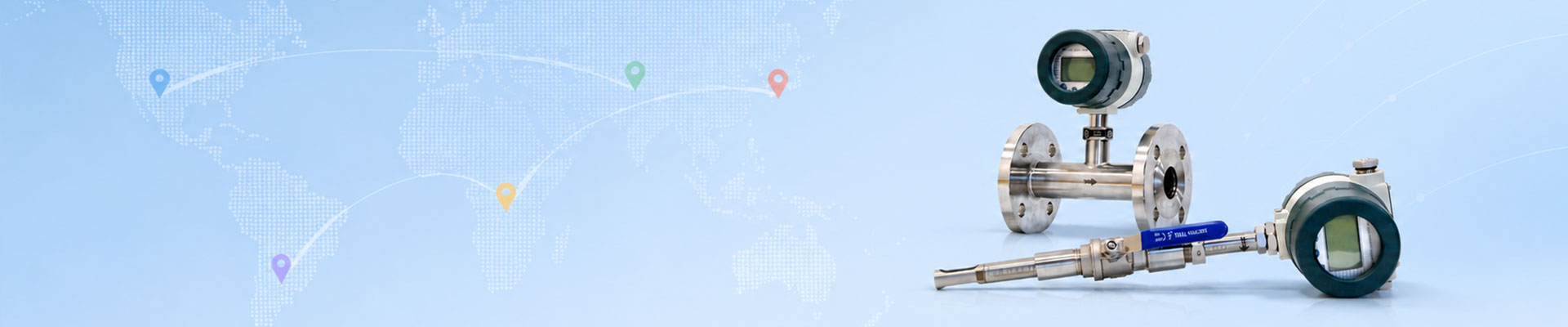
Most engineers skip this part: the flow sensor inside a respiratory monitoring device needs a reference flow source for periodic checks. A portable calibration syringe is the simple option. For bench testing, a thermal mass flow meter with a 4 to 20 mA HART signal and a DN15 pipe section works well. Silver Instruments supplies this type of reference flow meter for calibration benches. The accuracy of a good reference unit is plus or minus 1 percent of reading.
How to Select a Peak Flow Meter for Occupational Health
Selection starts with the work environment. In a flour mill in Australia, dust is always present. The device needs an IP54 rating or better. In a chemical plant in Saudi Arabia, the unit may be used near solvent vapors. Check the housing material. Some plastics crack after contact with ketones. Field teams in Chile prefer a device with a large display and a one button test. Workers often wear gloves. Touch screens are not practical.
Price varies. A basic mechanical peak flow meter costs about USD 80. A digital handheld device with memory and Bluetooth costs from USD 180 to USD 400. For a site with 50 workers, a set of five digital units is enough. Each worker uses a disposable mouthpiece. The industrial hygienist downloads data weekly. This is the standard setup we see in Southeast Asia and Latin America.
Industrial Flow Measurement Integration for Respiratory Device Calibration
Here is the thing. A handheld peak flow meter is a low cost screening tool. It is not a calibrated laboratory instrument. But the reference flow path used to check the device must be stable. That is where industrial flow meters come in. A thermal mass flow meter can measure air or nitrogen flow in a bench setup. The pipe size is often DN15 or DN20. The output is 4 to 20 mA HART. The accuracy is plus or minus 1 percent of reading across a range of 0 to 200 liters per minute. We can also supply a PT100 temperature sensor for gas temperature compensation. If the calibration bench sits in a solvent storage area, choose an ATEX Zone 1 rated flow meter.
Silver Automation Instruments supplies thermal mass flow meters, electromagnetic flow meters, and pre